

Visiting Pompeii: ruins, history and wonder suspended in time

Visiting Pompeii: a journey through history
A tour of Pompeii isn't simply about visiting a place — it's about living an emotional journey through history. Set at the foot of Vesuvius, between Naples and the Sorrento Coast, Pompeii preserves one of the most extraordinary chapters in human history. Its ruins – streets, houses and squares – still tell the daily life of the Romans today, frozen in time after the eruption of 79 AD.
Pompeii is not a closed museum but an open-air archaeological site — a real ancient city of streets, shops, villas, frescoes and gardens. It strikes you with its extraordinary emotional power: every wall tells a story, every stone holds a trace, every silence seems to carry a voice from the past.
It's a destination unlike anywhere in the world, where culture, beauty and wonder meet — and it's also the ideal starting point for exploring Vesuvius, the Bay of Naples and the Sorrento Peninsula.
What to see in Pompeii: houses, frescoes and everyday Roman life
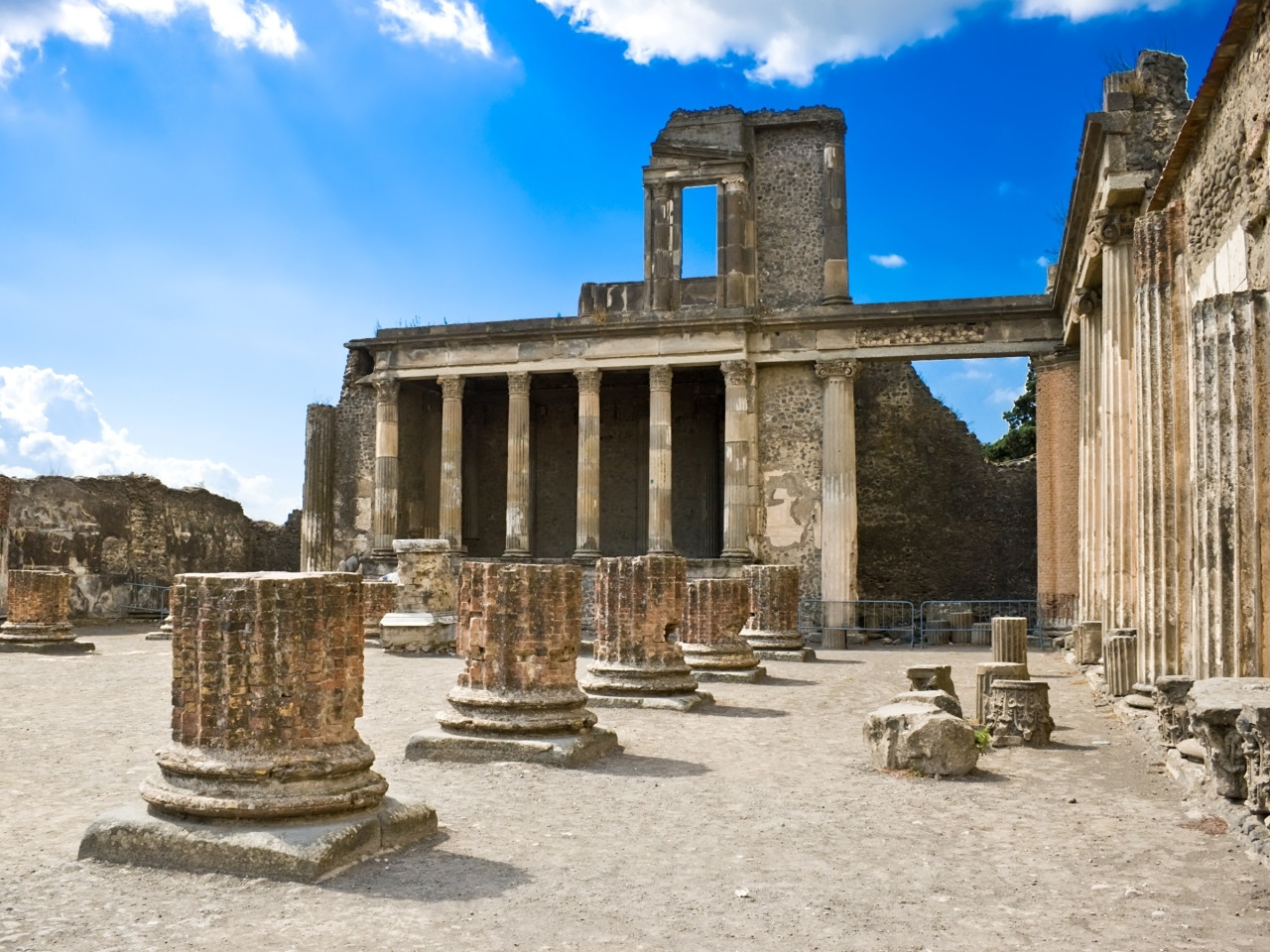
The heart of the city is the Forum, ringed by the temples of Apollo and Jupiter and the main public buildings. From here you reach the Stabian Baths, the Lupanar with its frescoes and the House of the Faun, one of the largest and richest homes of antiquity.
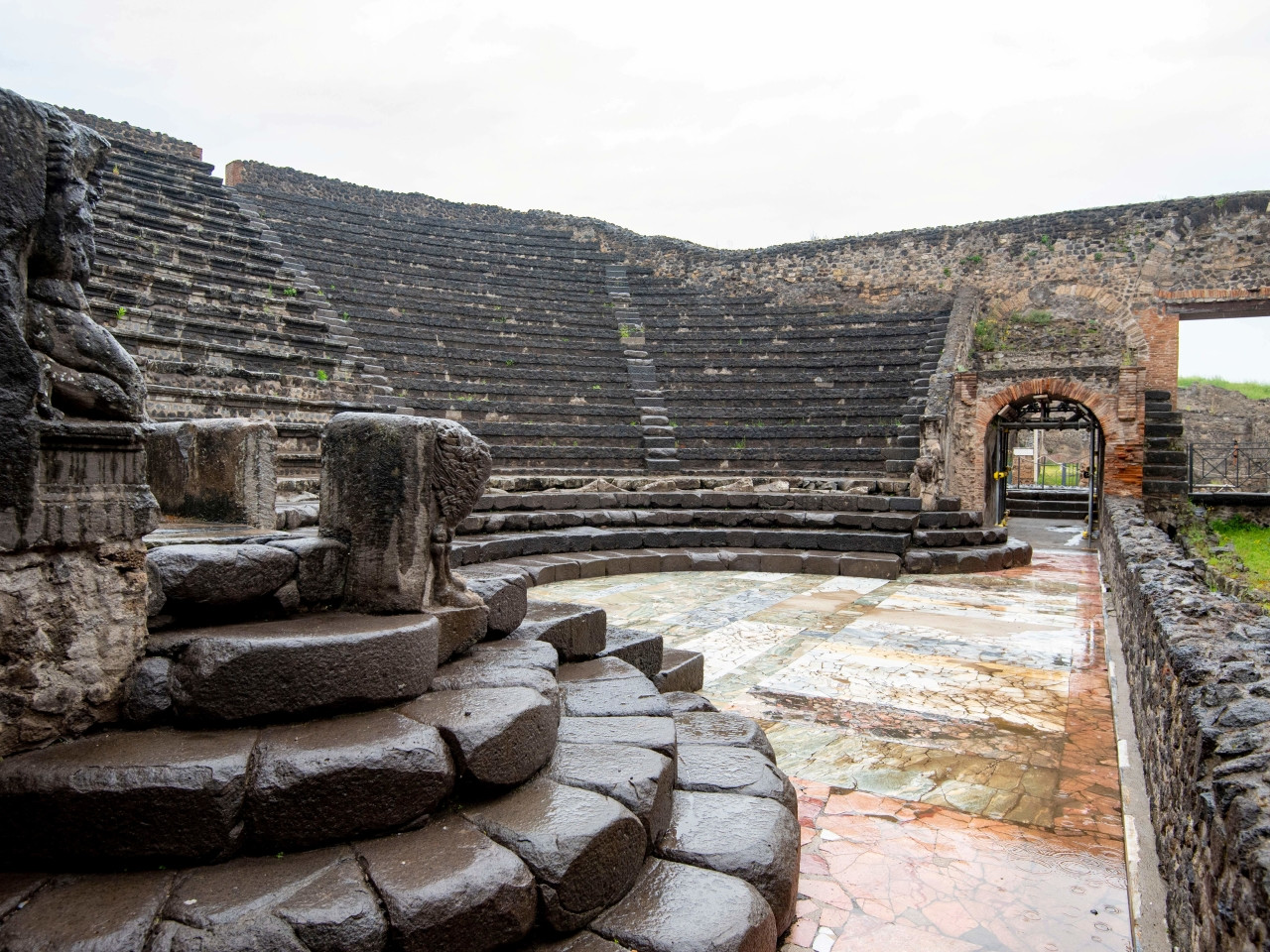
Nearby, the Amphitheatre – the oldest known – and the Large Theatre recall the spectacles of the age, while the Villa of the Mysteries guards its celebrated cycle of red frescoes. Finally, the plaster casts of the victims capture the exact moment of the eruption.
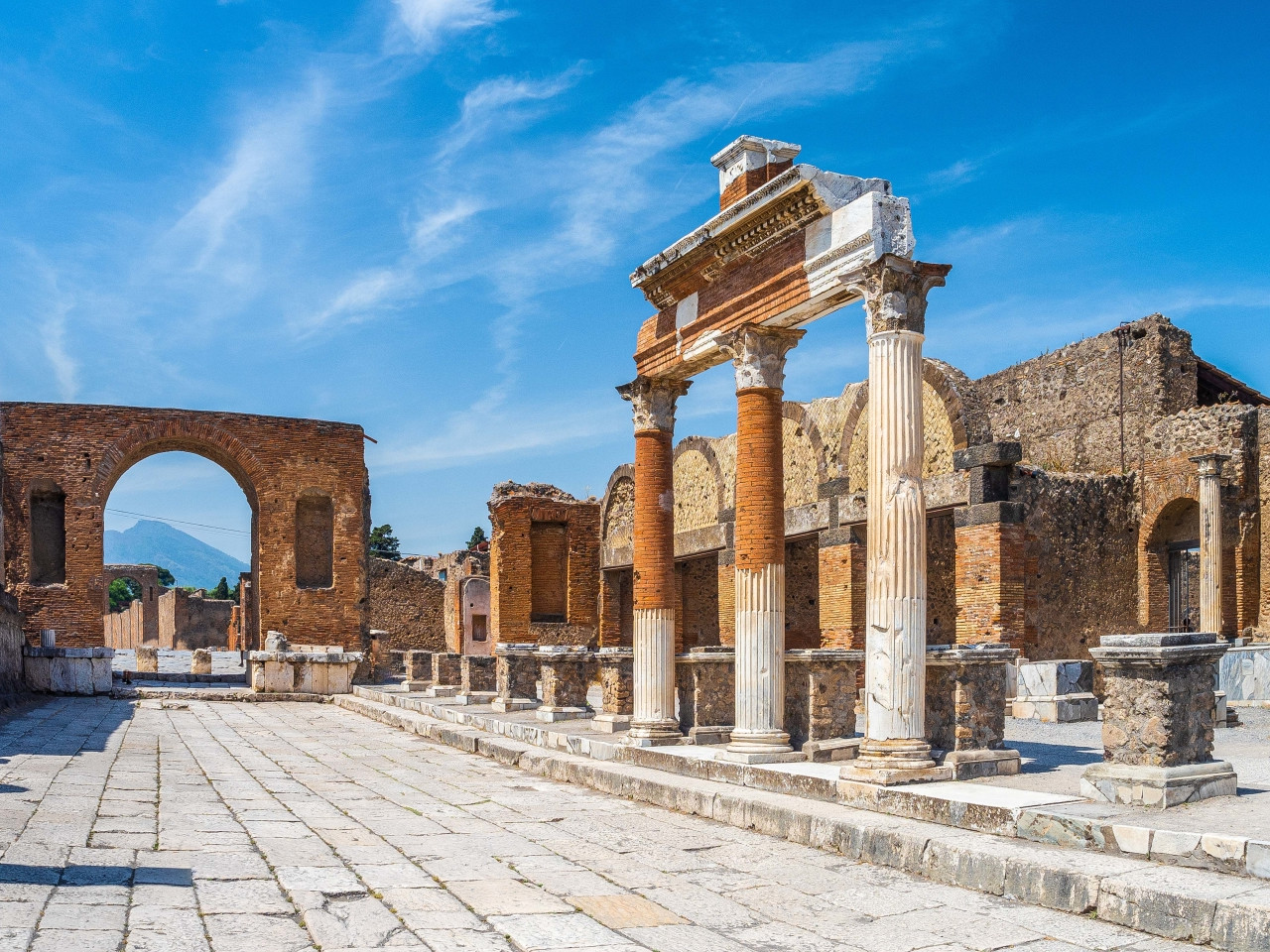
If you ask me why you should visit the ruins of Pompeii, I'll answer by telling you what makes them unique.
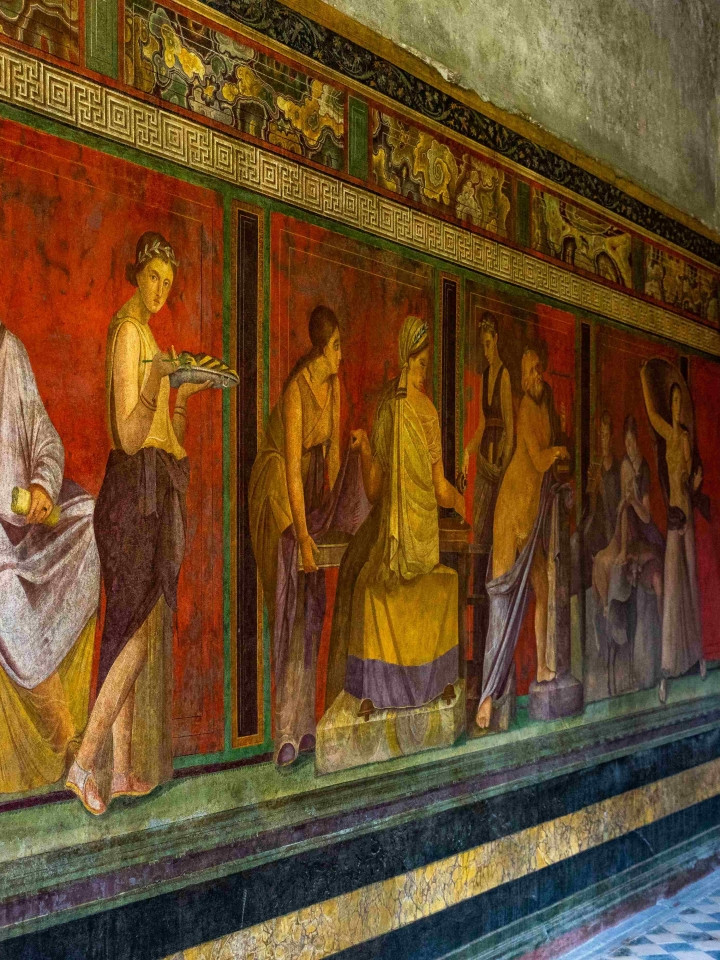
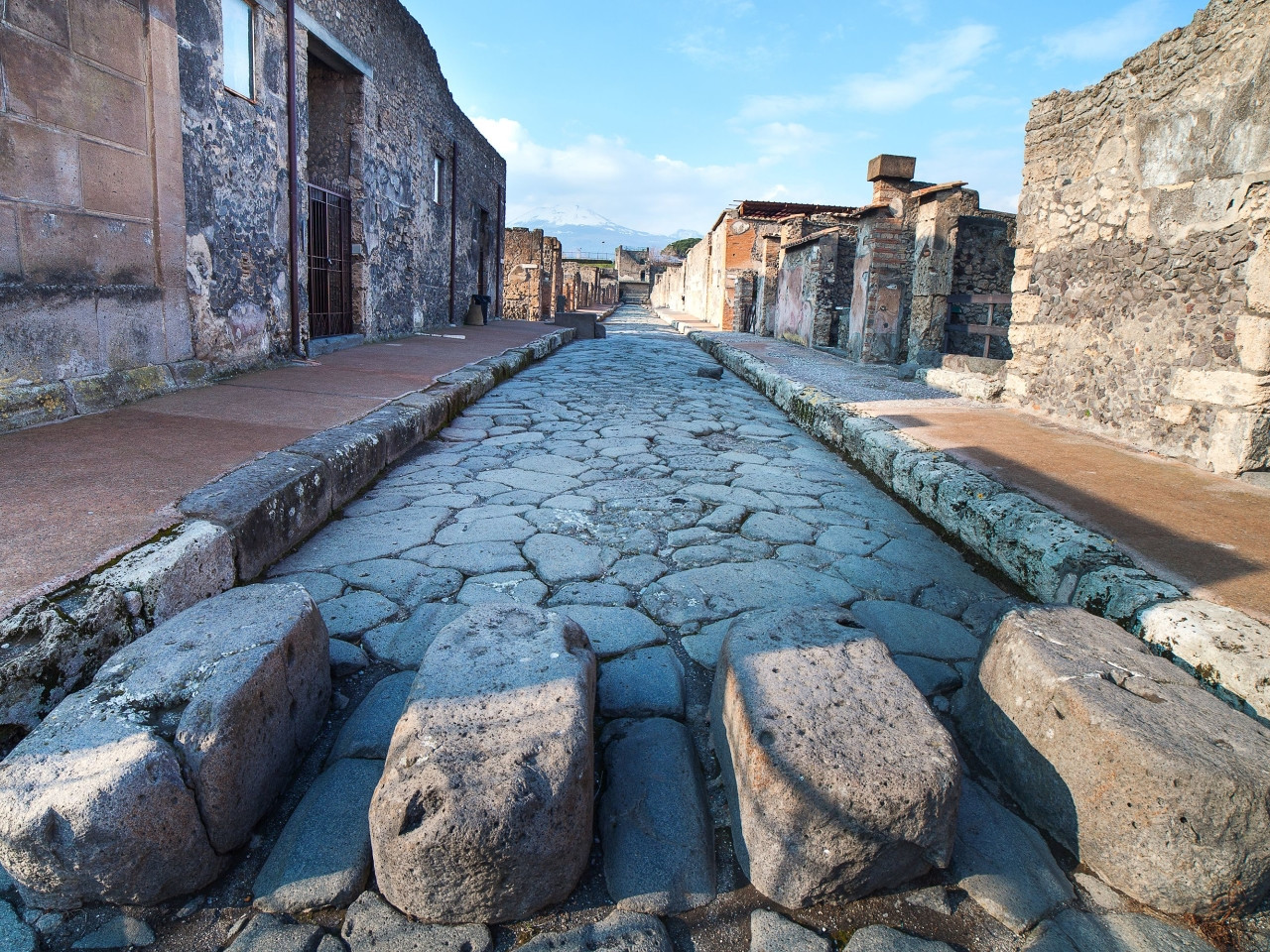
Preserved in time. Pompeii is a city suspended in time, where Roman life is still visible in every street and home.
Of every corner, a story. Here even a stone or a fresco speaks of love, work and everyday life two thousand years ago.
Memory of Vesuvius. The volcano's presence makes Pompeii a unique place, where nature and history meet in a powerful way.
People and daily life. Ovens, shops and baths reveal the real lives of the ancient inhabitants.
Experience it firsthand. Walking through Pompeii means truly stepping into the life of an ancient city, among streets, houses and stories that still feel alive.
Icon of world heritage. Pompeii is one of the most important and most visited archaeological sites in the world.
When to visit Pompeii
Pompeii can be visited year-round, but the best times for a Pompeii tour are spring and autumn, when the climate makes the visit more pleasant and the experience more intense.
Ideal temperatures
Perfect for walking among the ruins without tiring out.
Fewer crowds
Especially compared with the summer months.
Perfect light
Ideal for admiring frescoes and architecture.
A more authentic atmosphere
The city can be enjoyed at a calmer pace.
In the summer months Pompeii is very busy, but also more alive, with extended opening hours and an energy that reflects its worldwide fame.
Things to do in Pompeii: history, nature and flavours
Pompeii isn't only to look at — it's an experience to live at the pace and in the way that suits you.
Visit with a guide
With an expert guide or an audio guide, every house, fresco and street tells the daily life of the Romans once more.
Climb Vesuvius or add Herculaneum
Round out the day with the volcano that froze Pompeii in time, or with nearby Herculaneum — just as astonishing.
Taste the local flavours
On the slopes of Vesuvius, wineries and local flavours await: a wine tasting is the perfect way to end the visit.
The best way to reach Pompeii
Pompeii sits in a central location and can be reached in several ways, but not all options offer the same level of comfort — especially during the busiest periods.
By car
You can take the A3 Naples–Salerno motorway and exit at Pompei Ovest or Pompei Est. Driving offers some flexibility, but in high season traffic can be heavy and finding parking near the ruins often means wasting time, paying extra and facing long walks in the sun.
Circumvesuviana
It connects Naples, Sorrento and Herculaneum directly to Pompeii, with the “Pompei Scavi” stop right in front of the main entrance. Though it looks convenient on paper, in summer the trains are often crowded and the journey can mean standing the whole way, with limited air conditioning and awkward connections, especially with luggage or children.
By bus
Services are less frequent and timetables don't always match visiting hours, making planning more complicated.
Ferry + transfer
In the warmer months, many travellers combine ferries across the Bay of Naples with trains or private transfers. It's a scenic option, but often involves more legs, waiting times and finding your way around unfamiliar stations.
Organized tour
That's why many choose an organized tour from Sorrento: the easiest way to experience Pompeii.
So you arrive relaxed and focus only on the experience:
Is one day enough to visit Pompeii?
Yes, but only if you choose carefully what to experience. At first glance Pompeii might seem like a site to rush through, but the moment you step in you realise it's far larger than you imagine: almost 50 hectares of streets, houses and squares.
Moving between the Forum, the baths, the villas and the amphitheatre takes time and a little planning, especially in the summer months, when heat and crowds slow every step. Trying to see everything without a plan risks turning the visit into a race against the clock.
With a well-planned itinerary, though, even a single day becomes a complete experience: history, frescoes, views and moments of rest alternate, letting you experience Pompeii the right way, without the stress of chasing every stop. This is where an organised tour with skip-the-line entry makes the difference.
Experience Pompeii with a Coastrider experience
Real experiences departing from Sorrento.  checks availability in real time and guides you to book through a secure link, never in chat.
 Bookable · from Sorrento
Pompeii Half Day - Skip the line
Half-day tour of Pompeii with skip-the-line entry, departing from Sorrento.
Bookable · from Sorrento
Pompeii Sharing from Sorrento - Skip the line
Shared tour of Pompeii with skip-the-line entry, departing from Sorrento.
Bookable · from Sorrento
Pompeii & Mt Vesuvius - Skip the line
Tour of Pompeii and Mt Vesuvius with skip-the-line entry, departing from Sorrento.
 Bookable · from Sorrento
Pompeii & Mt Vesuvius skip the line - Lunch included
Tour of Pompeii and Mt Vesuvius with skip-the-line entry and lunch included, departing from Sorrento.
 Bookable · from Sorrento
Pompeii & Herculaneum - Skip the line - lunch included
Tour of Pompeii and Herculaneum with skip-the-line entry and lunch included, departing from Sorrento.
Bookable · from Sorrento
Pompeii & Bosco de' Medici Winery - Skip the line
Tour of Pompeii with a stop at the Bosco de' Medici winery, skip-the-line entry, departing from Sorrento.
Need a hand?
Message us on WhatsApp and talk to a real person.
Choose the tour that's perfect for you
Ideas designed to experience Pompeii at just the right pace for you.

Pompeii for families: history, smiles and zero stress
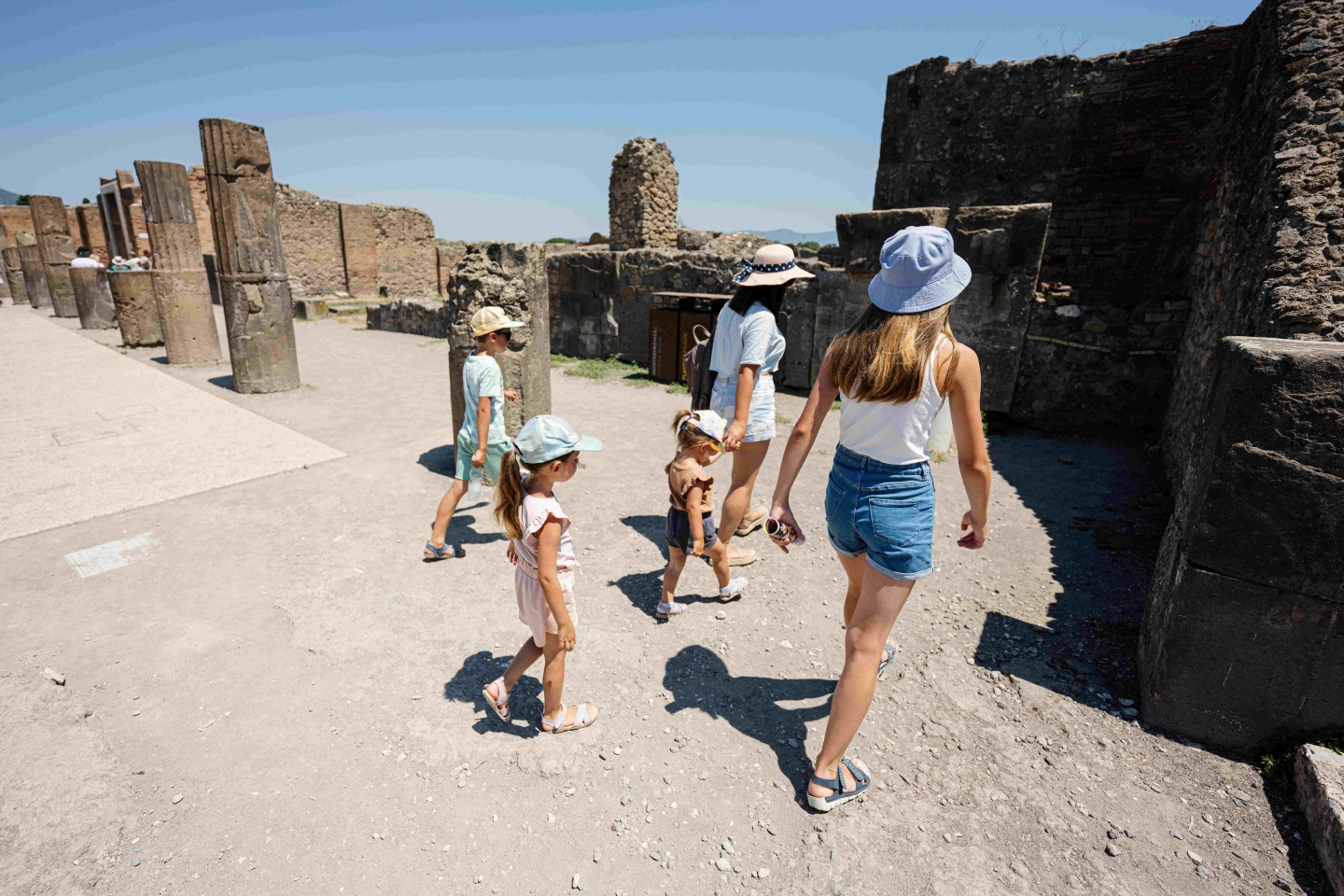
The half-day tour designed for families with children: a local guide, skip-the-line entry and a pace that suits even the youngest.
Discover the itinerary
Pompeii for couples: a guided tour and Vesuvius wine tasting
A romantic day that pairs a guided tour of Pompeii with a wine tasting on the slopes of Vesuvius.
Discover the itinerary
Pompeii & Vesuvius Tour: History and Adventure
From the ruins of Pompeii up to the crater of Vesuvius, for those who love to move and explore.
Discover the itineraryTell her how you travel and what excites you: turns the idea into a real day out, with live availability and up-to-date prices.
Pompeii, glimpse by glimpse.


Pompeii: practical tips and FAQ
What should I wear to visit Pompeii?
When is the best time to visit Pompeii?
How much time do I need to visit Pompeii?
Is Pompeii suitable for first-time visitors?
Is it better to book tickets in advance?
Can I combine Pompeii with other destinations?
Is Pompeii an open-air site?
Book your trip now: make the most of your time in Pompeii
Check availability in real time and book your tour and experience online with , Coastrider's virtual travel assistant.